
by Alison Cook, PhD
As you listen to this podcast series on friendship, you may realize that you don’t have many healthy friendships. Facing this reality can be scary at first; it takes tremendous courage to recognize unhealthy patterns. That awareness may lead you into a period of adjustment and uncertainty. It’s hard to disentangle from one kind of relationship when you don’t yet know what a healthier one will look like. Transition can feel lonely, but that doesn’t mean it’s a bad place to be.
Transition periods are an opportunity to learn more about
what you desire and need out of friendship.
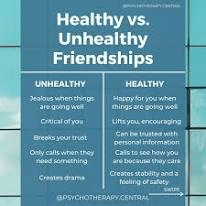
Here are 6 healthy signs to look for:
1. Honesty
Does this person show that they want what’s best for you, even if that means telling you what may be difficult for you to hear? This doesn’t mean they criticize you about things that bother them. This means they care enough about your well-being to tell you when your beliefs or behaviors may be causing harm to yourself or other people. Likewise, does this friend value honesty from you? Do they invite your honest input and demonstrate respect for your viewpoint?
2. Reliability
Instead of the relationship red flag of “sizzle,” look for consistent, measured patterns of behavior over time. Do you have a sense of how they will respond to you, even if they get busy? Would you call this person if you were in a crisis? No one is perfectly consistent. But a true friend shows predictable patterns of behavior over time.
3. Mutuality
Do you take turns sharing about various aspects of your lives? Do they know about your interests or struggles, just as you know about theirs? Do they show curiosity about what you think and feel? Does this person reach out to you? Or are you the only one who initiates? A healthy friendship flows two ways. You each know that you can count on the other person to show up for you.
4. Common Interests
Instead of a common enemy, healthy friendships share common interests. Do you share an interest in work, parenting, a desire to grow, or hobbies? Are you able to laugh together and enjoy rich topics of conversation? As C. S. Lewis said in his book The Four Loves, “Friendship must be about something, even if only an enthusiasm for dominoes or white mice.” According to Lewis, two friends don’t primarily face each other as lovers do. Instead, friends are side by side, facing a common interest together.
5. Freedom
Healthy friendships aren’t possessive or exclusive. Instead, good friends want what’s best for you within the context of the friendship and outside of it. Healthy friendships don’t define who you are. They remind you of who you are. Someone who has your best interests at heart can see you as a distinct person from themselves. They want you to thrive in every way, even if it means you expand your circles beyond them. For example, is your friend happy for you when you discover other friends? Can she celebrate with you when you score a big win? That’s not to say jealousy doesn’t creep into even the healthiest of relationships. But when it does, can you both manage that in a healthy way?
6. Emotional Safety
Can you share about your struggles without fearing judgment or shame? Not every friend will earn your deepest confidence, but a true friend nurtures a sense of safety. Does this person keep private what you confide in her? Do you trust her to hold what you share with care and respect? Emotionally safe people are comfortable with listening and seeking to understand before imparting their wisdom. They can sit with you in silence. They offer opinions without needing to be right. They offer advice without putting strings on whether you follow it.
#VintageDava, #Codependent, #Relationships, #Awareness, #MentalHealth, #MentalHealthAwareness, #MentalHealthMondays,#Friendships, #HealthyFriendships
 Vintage Dava