
Delta and United have announced a new feature that allows customers to share live location data of Apple AirTags to help keep track of luggage. by Bridget Chavez SEATAC, Wash. — If you’re one of the more than 7 million travelers flying this holiday season, you might be able to breathe a little easier atContinue reading “Travel Thursdays: Delta, United integrate Apple AirTags to track luggage”
Tag Archives: #Airline
Travel Thursdays: Is Southwest getting rid of in-flight cabin service on its planes?
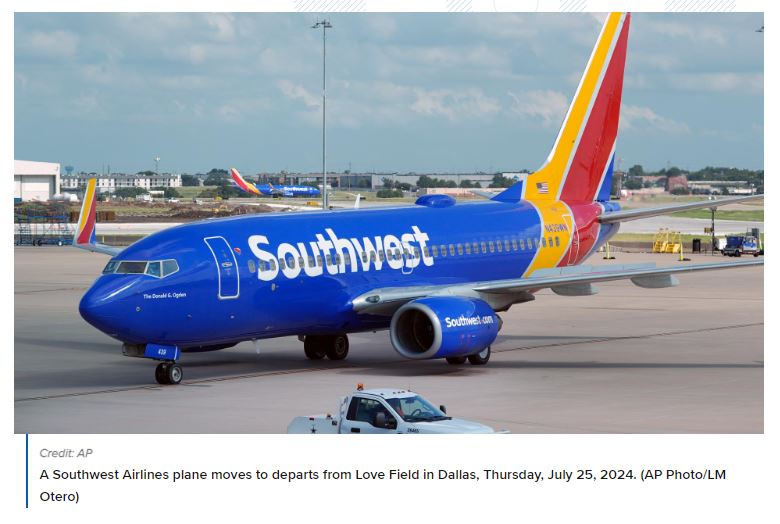
While turbulence-related fatalities are quite rare, injuries have piled up over the years. by Associate Press WASHINGTON — Southwest Airlines says it is ending cabin service earlier on flights, requiring passengers to do the usual pre-landing procedures such as ensuring their seatbelts are fastened and returning their seats to an upright position earlier than before.Continue reading “Travel Thursdays: Is Southwest getting rid of in-flight cabin service on its planes?”
Travel Thursdays: 5 Upgrades You Need to Add to Your Next Trip

by Kris Wouk Every vacation has a budget, whether you’re a multi-millionaire or, well, not a multi-millionaire. Still, you don’t have to settle on your vacation just because you have a budget. Sometimes it’s worth spending a little extra to make the most of your trip. Even better, sometimes you’ll be able to find upgrades for freeContinue reading “Travel Thursdays: 5 Upgrades You Need to Add to Your Next Trip”
Travel Thursdays: ‘Skiplagging’ airfare hack under fire again after American Airlines nabs teen trying it.
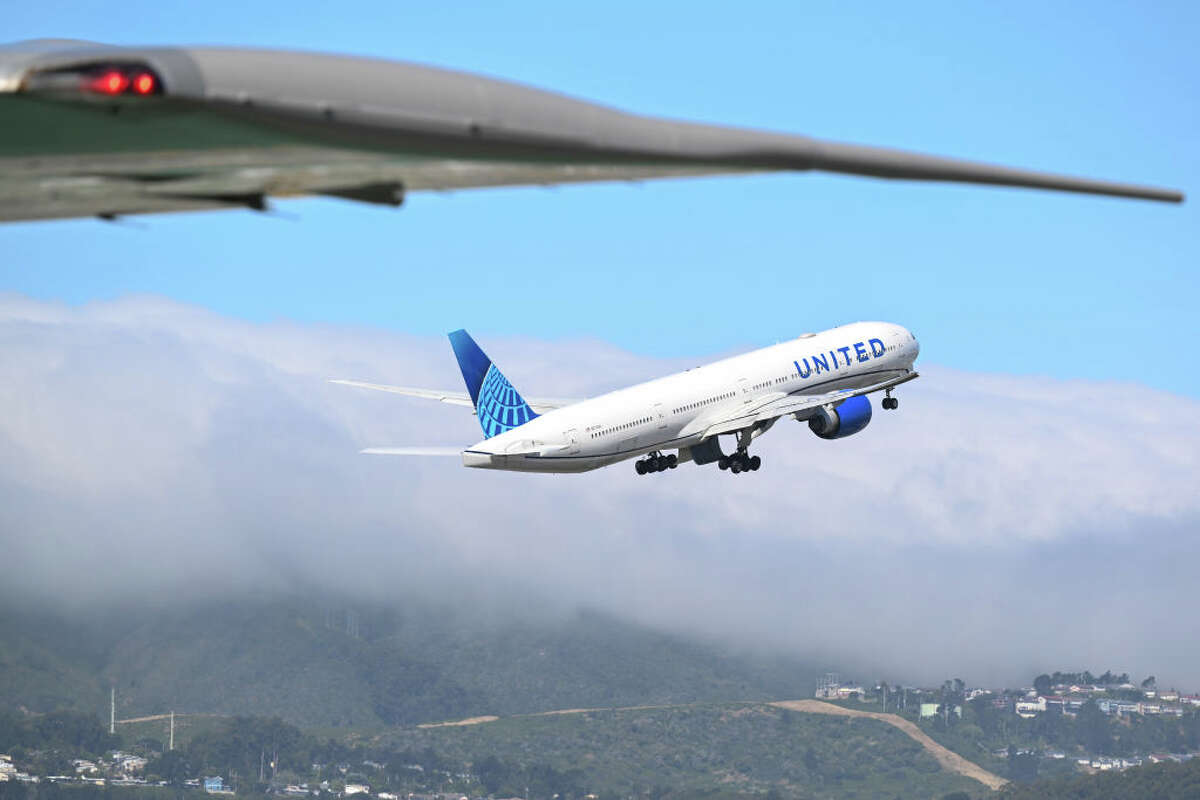
The reason a flight with a layover is sometimes cheaper than a direct flight (even though it requires more resources and time) is based on how airlines predict (and price according to) traveler behavior.
David Gillen, director of the transportation school at the Sauder School of Business in British Columbia, explained to Vice in 2015 that airlines price routes based on how travelers are likely to connect with another flight. “The airline will charge lower fares for passengers traveling on two legs because it gets money from both legs. This is what Skiplagged is exploiting,” he said, referring to a travel booking site that had recently been sued by United Airlines, called Skiplagged.
Is skiplagging illegal?
Skiplagging is not illegal, but airlines have actively fought it and discourage customers from engaging in it. Most major airlines stipulate in their contract of carriage that they outright prohibit it.
United Airlines notes in its contract of carriage that the airline will not only invalidate a skiplagging traveler’s ticket, but also would go so far as to “permanently ban or refuse to board the Passenger and to carry the Passenger’s baggage, unless the difference between the fare paid and the fare for transportation used is collected prior to boarding.”
The Chicago-based airline is an active critic of skiplagging. In 2019, United reportedly sent a memo to its front-line airport agents urging them to be on the lookout for passengers who engage in the hack and to report suspects to the company’s security department.
Over the years, an industry promoting hidden city booking has sprouted, with the most prominent business being the aforementioned Skiplagged. The website uses a computer algorithm to offer customers airfares based on hidden city bookings and presents the fares in an interface similar to Google Flights or Expedia.
The website was founded in 2013 by a 22-year-old named Aktarer Zaman who was working as a software engineer for Amazon in New York City.
Today, the landing page for Skiplagged proudly boasts that “our flights are so cheap, United sued us… but we won,” in a callback to when the airline, along with the travel fare aggregator website Orbitz, attempted to shut down the site in 2014.
Zaman said in a 2014 forum on Reddit that the companies sued him for “making it too easy for consumers to save money.” In the lawsuit, United and Orbitz called Skiplagged “unfair competition” and alleged that it promoted “strictly prohibited” travel. The companies sought $75,000 in lost revenue from Zaman, who in turn raised over $80,000 in a GoFundMe campaign.
Ultimately, a judge in Illinois threw out the case on the technicality that the court didn’t have jurisdiction over the case since Zaman worked and lived in New York.
That decision didn’t stop Lufthansa Airlines from suing a passenger in 2019 who engaged in the money-saving practice — but the lawsuit was later dropped. In other parts of the world, the Spanish supreme court ruled that skiplagging is legal in 2018.
 Vintage Dava